The 2026 AI Sector: How Key Players Like Samsung, AMD, and Nvidia Are Evolving
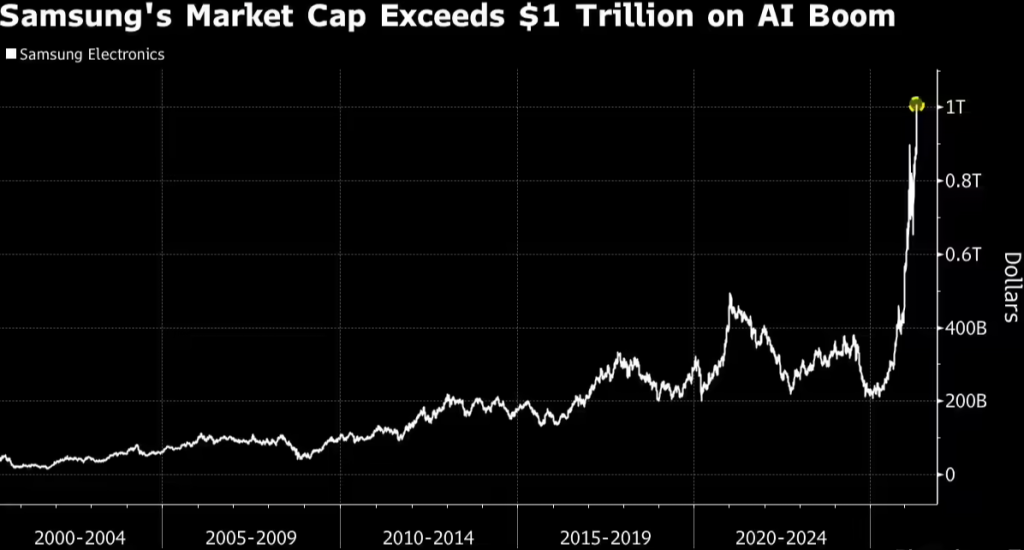
It’s May 6, 2026, and the global tech markets are on absolute fire. Samsung Electronics just smashed through the $1 trillion market cap barrier in Seoul trading — becoming only the second Asian company ever to join this ultra-exclusive club alongside TSMC. Shares rocketed up 12% in early sessions as investors poured in, fueled by an unrelenting AI chip demand tsunami.
At the exact same moment, AMD stunned Wall Street with a blockbuster forecast that sent its stock soaring nearly 18% in pre-market frenzy. Super Micro Computer jumped 19%, Intel climbed 6%, and the entire semiconductor sector lit up like a Christmas tree. Why? Because the AI revolution isn’t just continuing — it’s accelerating into a full-blown infrastructure megacycle that’s bigger, faster, and more transformative than anyone dared predict even six months ago.
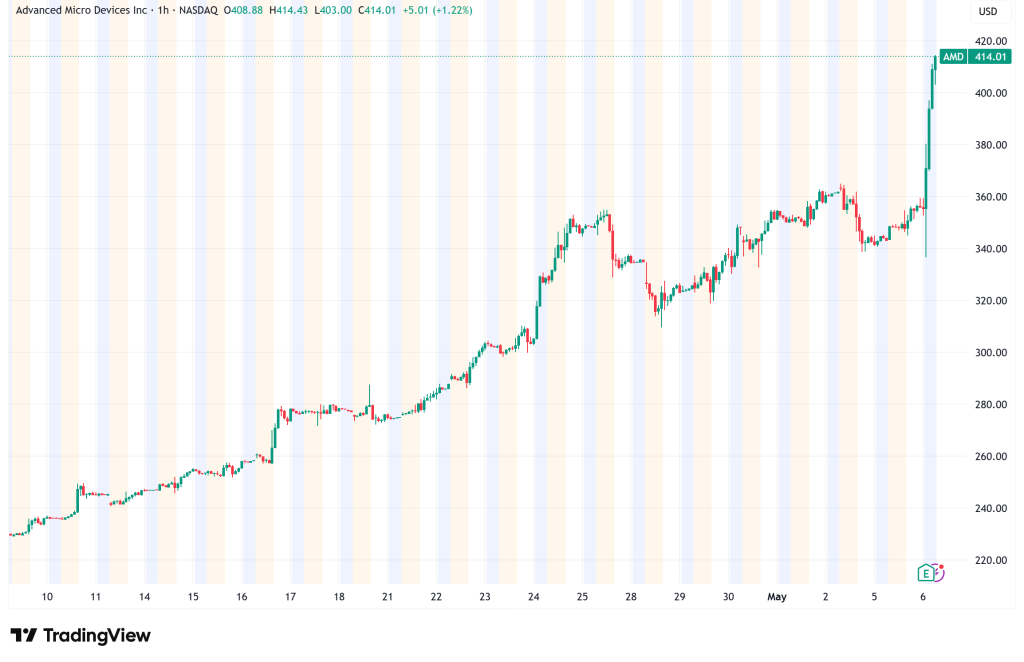
This isn’t hype. These are real numbers moving in real time. And if you’ve ever wondered how this AI boom will actually touch your smartphone, your career, your investments, or even your morning commute — now is the moment to pay attention. The latest wave of tech news proves we’ve officially entered the AI Infrastructure Era, where chips, cables, data centers, and intelligent agents are rewriting the rules of business, society, and everyday life.
Samsung’s $1 Trillion Milestone: The Asian AI Giant Awakens
Samsung’s breakthrough isn’t a one-day fluke. It’s the culmination of years of massive investment in advanced memory chips, HBM (high-bandwidth memory), and next-gen AI processors. The company’s foundry and memory divisions are now running at full capacity to feed the insatiable appetite of AI training and inference workloads.
Analysts point to one simple fact: the global shortage of high-performance memory chips has become so severe that Samsung and its rival SK Hynix have seen their shares surge 116% and 144% respectively in 2026 alone.

Samsung isn’t just riding the wave — it’s helping create it. Its latest Exynos and HBM3E chips are powering everything from hyperscale data centers to next-generation consumer devices. For everyday users, that means future Galaxy phones and foldables will run far more powerful on-device AI without draining your battery or relying on the cloud for every task.
AMD’s Explosive Forecast: The CPU-GPU AI Powerhouse Is Here
AMD didn’t just beat earnings expectations — it completely rewrote its long-term outlook. The company now projects the AI server CPU market will grow more than 35% annually through 2030, nearly double its previous forecast. The secret? The massive shift toward “inference” computing — the real-world deployment phase where trained AI models actually deliver value in chatbots, autonomous systems, recommendation engines, and edge devices.

AMD CEO Lisa Su and her team made it crystal clear: the future isn’t just about raw GPU power anymore. It’s about balanced systems where CPUs and GPUs work in harmony to handle increasingly complex AI workloads. Wall Street is listening — and rewarding the vision with one of the biggest single-day gains in recent memory.
Nvidia & Corning: Building the Physical Backbone of the AI Future
While chipmakers grab headlines, Nvidia and Corning quietly announced something even more foundational: three brand-new U.S. factories in North Carolina and Texas dedicated to advanced optical fiber technology.
This partnership is massive. It will increase Corning’s U.S. optical manufacturing capacity by 10 times, create thousands of high-tech jobs, and replace energy-hungry copper cables with lightning-fast, low-power optical interconnects inside the world’s largest AI data centers.
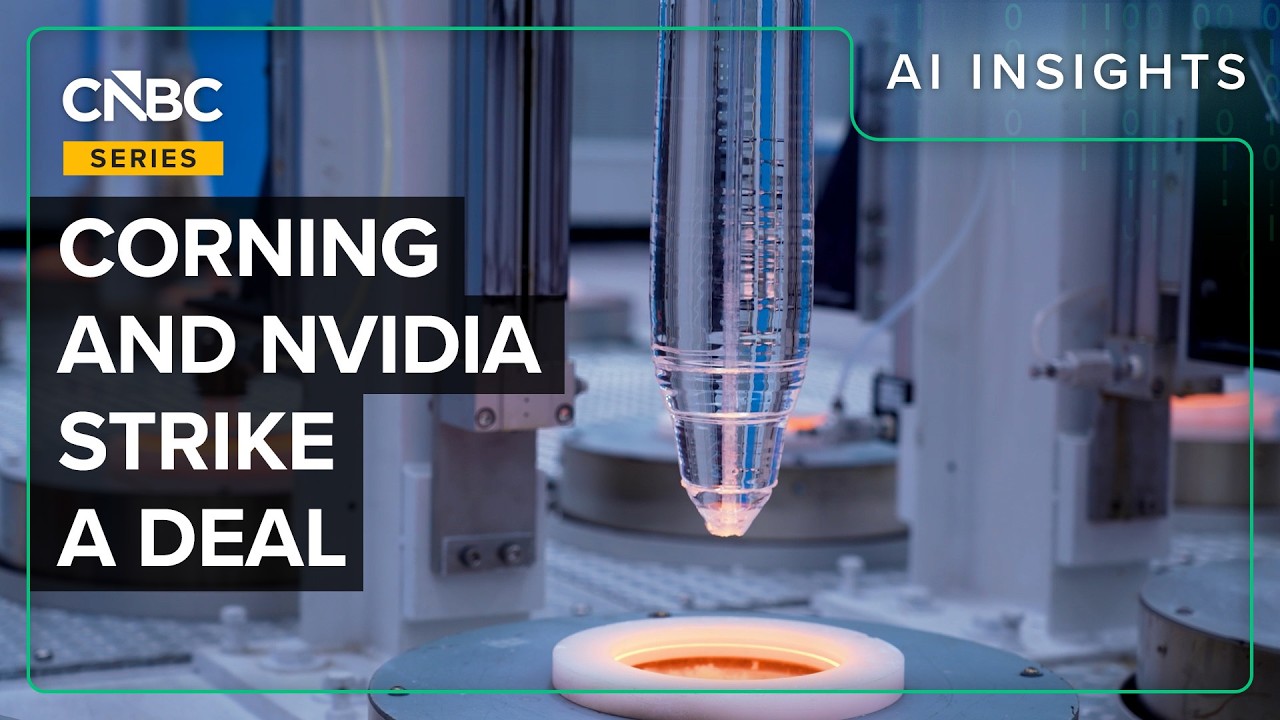
Corning And Nvidia Strike Massive AI Fiber Deal
Nvidia CEO Jensen Huang called it “the largest infrastructure buildout of our time — and a once-in-a-generation opportunity to bring American manufacturing roaring back.” Corning’s leadership echoed the sentiment, describing the deal as “transformative for the entire industry.”
NVIDIA CEO Jensen Huang and Global Technology Leaders to Showcase Age of AI at GTC 2026 | NVIDIA Newsroom
Translation: the AI data centers of tomorrow won’t just be bigger — they’ll be dramatically more efficient, faster, and built on American soil.
Gartner’s Official 2026 Tech Roadmap: The 10 Trends That Will Define the Next Decade
While stocks surge today, research powerhouse Gartner just dropped its authoritative Top 10 Strategic Technology Trends for 2026. AI is no longer one item on a list — it’s the foundation of every single trend. Here’s the breakdown you need to know:
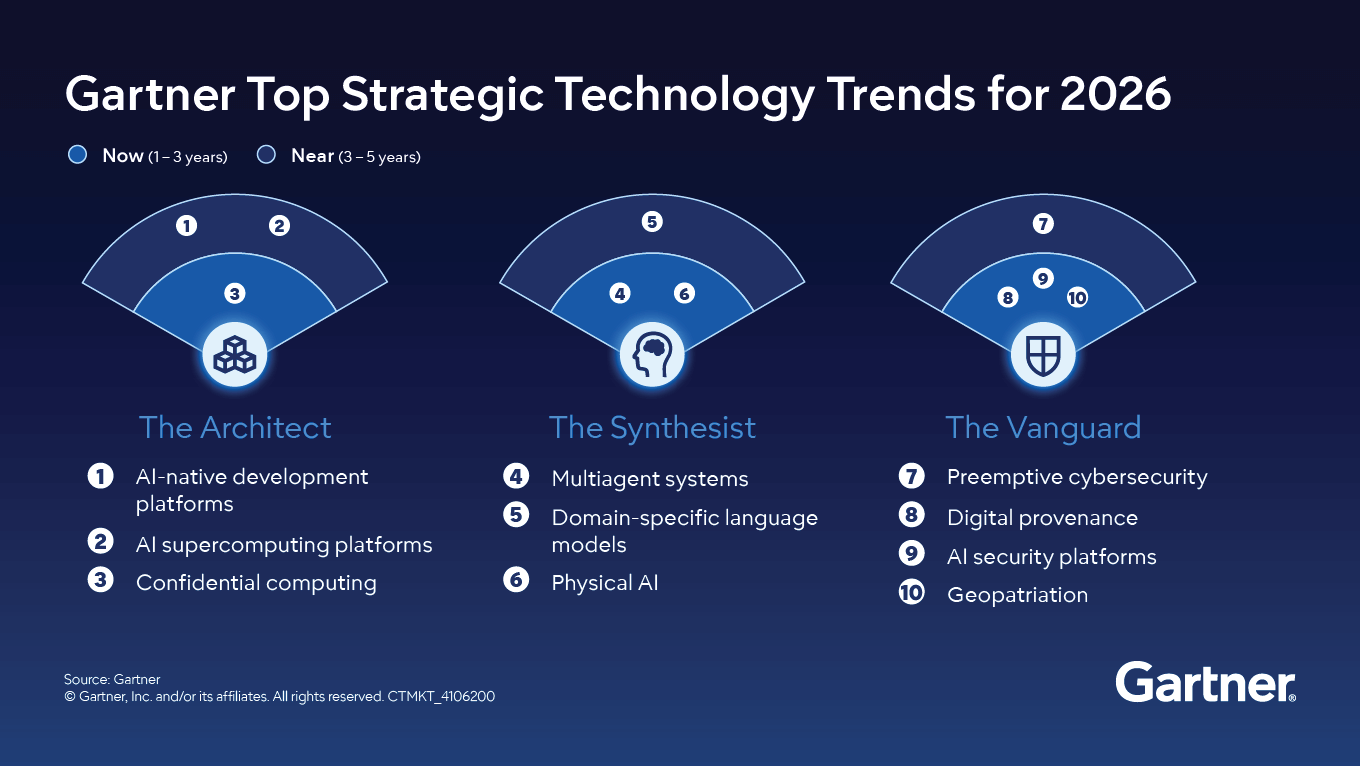
Top Strategic Technology Trends for 2026 | Gartner
The Architect Phase (building the core platforms):
- AI-native development platforms that let tiny teams build software at 10x speed
- AI supercomputing platforms for massive model training
- Confidential computing that keeps sensitive data secure even in shared environments
The Synthesist Phase (making AI intelligent and physical):
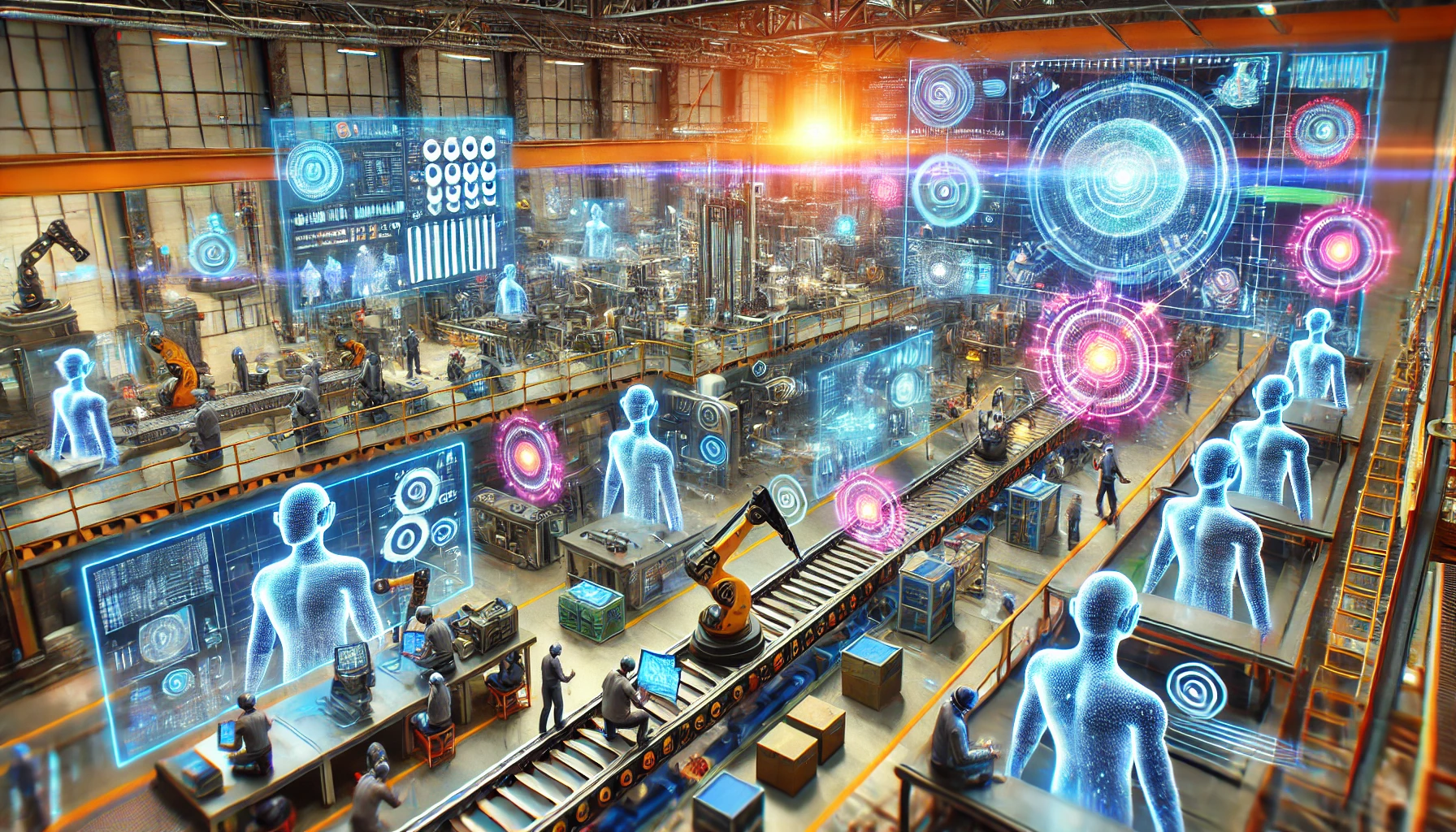
- Multiagent systems — teams of AI agents that collaborate autonomously like digital coworkers
- Domain-specific language models tailored for industries like healthcare or finance
- Physical AI — robots and smart machines that bring intelligence into the real world
The Vanguard Phase (securing and scaling the future):
- Preemptive cybersecurity that stops threats before they happen
- AI security platforms and digital provenance tools
- Geopatriation strategies for global tech supply chains
These aren’t science-fiction concepts. They are the exact capabilities every forward-thinking company must adopt to stay competitive in the next 3–5 years.
What This AI Megacycle Actually Means for YOU
The trillion-dollar moves happening right now aren’t just for billionaires and hedge funds. The ripple effects are coming straight into your life:
- Smarter everyday devices — Your next phone, laptop, car, or even refrigerator will run powerful local AI thanks to these breakthroughs.
- Career transformation — Jobs in AI system design, robotics maintenance, prompt engineering, and multiagent orchestration are exploding.
- Industry revolutions — Healthcare will get instant diagnostics from physical AI. Factories will run with autonomous robot teams. Finance and logistics will become hyper-efficient.
- Sustainability gains — Optical interconnects and better chips could slash the massive energy demands of today’s AI infrastructure.
How to Build Multi-Agent Systems for Industry - XMPRO
The bottom line? The AI boom isn’t a bubble — it’s the new industrial revolution, and it’s already reshaping the global economy in real time.
Samsung’s historic milestone, AMD’s jaw-dropping guidance, Nvidia’s bold manufacturing bet, and Gartner’s crystal-clear roadmap all point in the same direction: 2026 is the year AI moves from flashy demos to invisible, everywhere infrastructure.
The question isn’t whether this revolution will change everything. It’s whether you’ll be ready when it does.